Last Words

Whilst researching my last article - Where they Burn People - I came across, inevitably, the things the convicted said before their deaths. And so I have curated this list of last words; and of others. It is entirely selective and serves no further agenda other than perhaps to prick your interest.
Archimedes, 212 BC
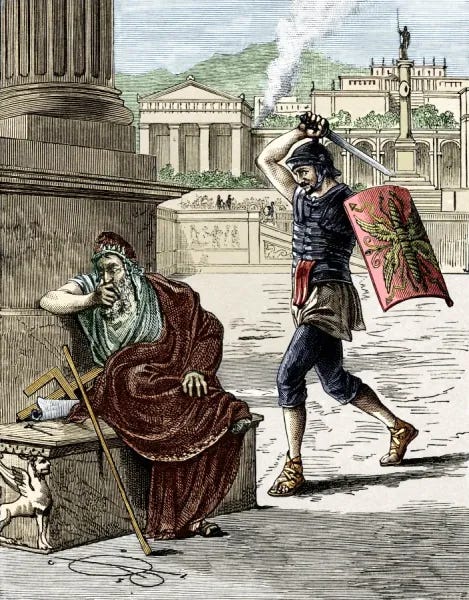
“Do not disturb my circles”
Said to a Roman soldier during the second punic war (218-201BC), who had come to kill him in Syracuse, Sicily, as he worked on a mathematical problem in the sand. The soldier killed him anyway.
Dictator Julius Caesar, 44 BC
“You too, child?” “καὶ σύ, τέκνον” -
Suetonius records the Greek. The suggestion being that Caesar switched to Greek in that final moment because it was the language he and Brutus shared intimately as educated men. Note that Shakespeare gave him “Et tu, Bruté?”, which isn’t attested in any sources. In acute cardiovascular shock, with twenty-three stab wounds, he probably said nothing at all. It was all he could manage to pull his toga over his face and to die with at least some dignity.
Emperor Nero, 68 AD
“Qualis artifex pereo” - “What an artist dies with me!”
Mad. Cruel. Fleeing Rome, abandoned by everyone, he needed a servant to help him with the knife. Self-pity to the last.
Emperor Vespasian, 79 AD
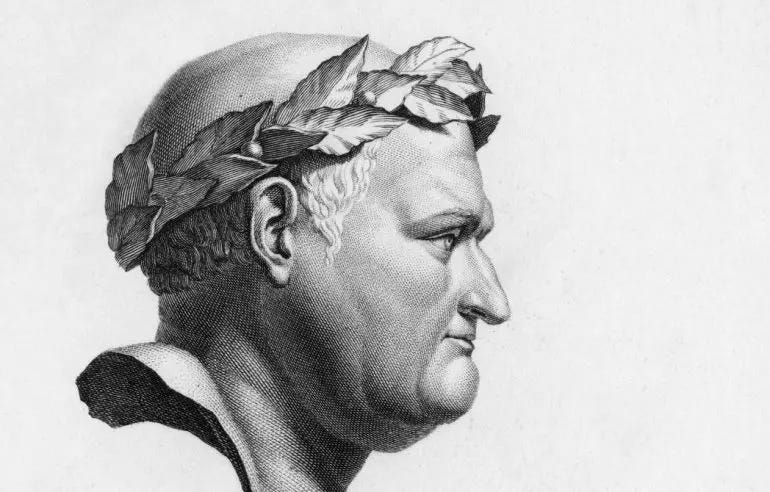
“Ut puto, deus fio” - “I think I’m becoming a god”
Dying of fever, mocking the Roman tradition of deifying emperors or the entire concept of theocracy? Dry, self-aware, magnificent and entirely human.
Queen Anne Boleyn, 1536
“I pray God save the King and send him long to reign over you, for a gentler nor a more merciful prince was there never”
Ironically praising the psychopathic bully who was having her executed on fabricated charges. She knew exactly what she was doing.
Bishop Latimer, 1555
“We shall this day light such a candle by God’s grace in England as shall never be put out”
Strength, spoken. Yea, unto the stake. Said to his colleague, Bishop Ridley, who burnt with him.
Mary, Queen of Scots, 1587
“In my end is my beginning”
She had embroidered the phrase on her cloth of state years before. She walked to the scaffold in blood red, the Catholic colour of martyrdom. Typically catholic!
King Charles I, 1649
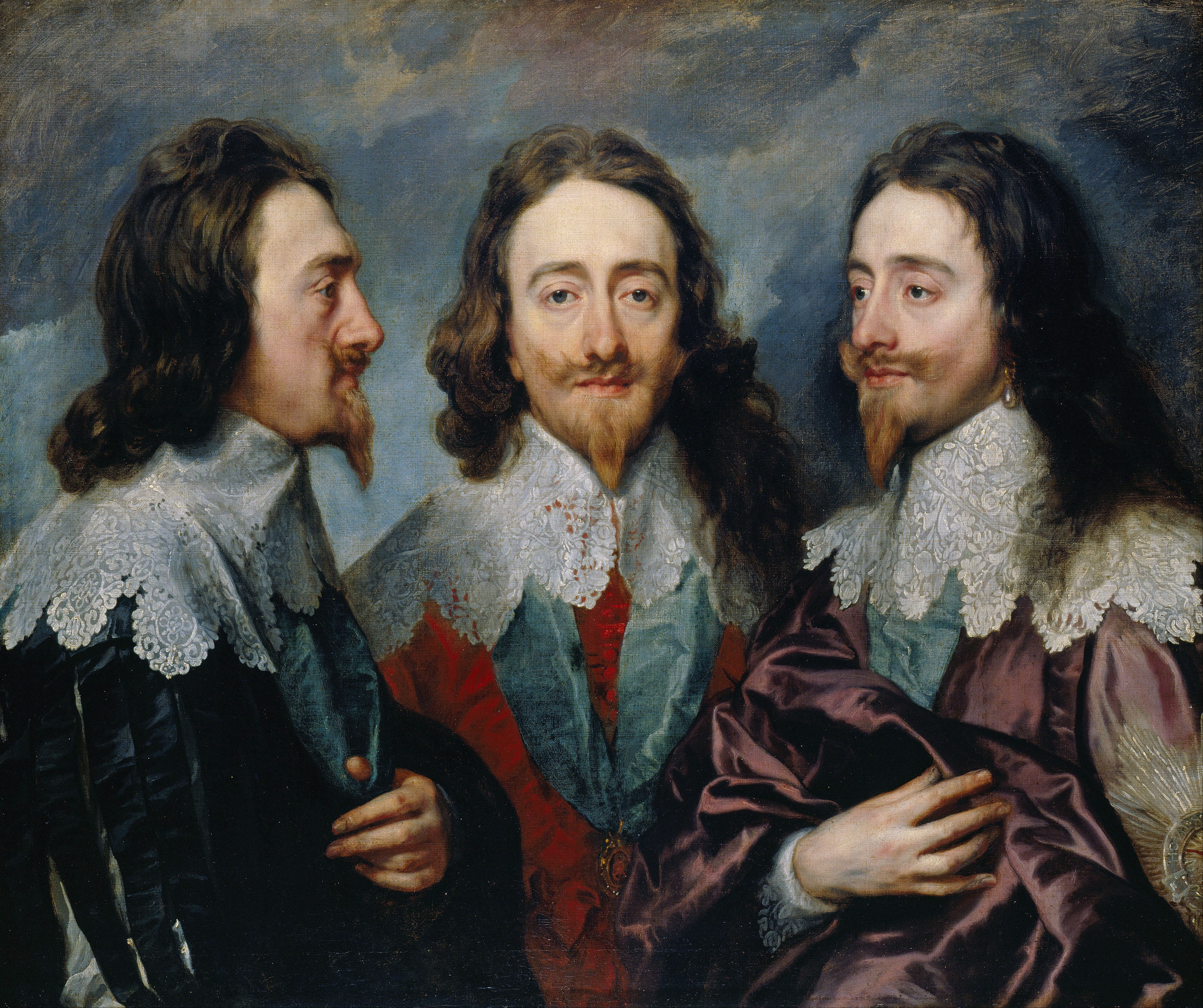
“I move from a corruptible to an incorruptible crown”
Characteristically Charles I: composed, dignified, on the scaffold outside his palace in Whitehall. It was cold that day and he wore two shirts to prevent shivering which would be mistaken for fear. That says much about his character: like his modern namesake - Charles III, he was aloof and detached - temperamentally, at least, from his people.
Voltaire, 1778
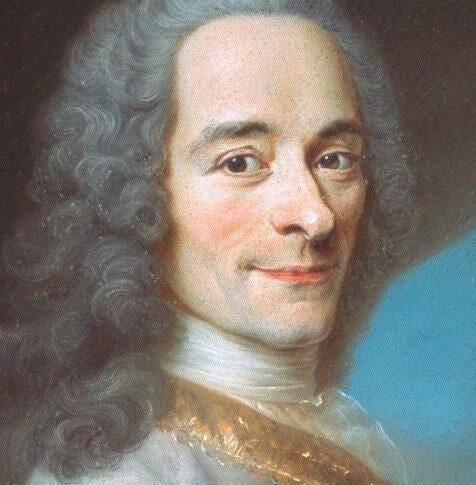
“This is no time to be making new enemies.”
When asked on his deathbed to renounce the devil. Irascible to the end. One imagines the mischievous grin still firmly in place.
Napoleon, 1821
“France, armée, tête d’armée, Joséphine”
Delirious, in exile on St Helena. Not God. Not salvation. But France, his army, and the wife he had divorced for political convenience. In that order.
Einstein, 1955
Lost forever.
He spoke his last words in German to a nurse who didn’t understand German. That wasn’t too bright, was it? The greatest mind of the 20th century, and his final thought vanished unheard into the night. But it’s all relative, I suppose.
Georg Elsner, TBA
"Do I have a choice?”
That was such an interesting read! Caesar's starting to speak Greek in the face of death? Historians know how to play. And the quick wit of Voltaire, even in the deathbed? Some people don't die quickly, it seems.
But that TBA part… It made me think about my own last words.