Great Wrong Turns

Humanity’s cultural ascent has made many twists and turns. Those decisions carried consequences so profound that they have altered the conditions of human existence itself. A wrong turn was not necessarily a mistake, and nor considered so at the time it was made. That we exist today to look back, we generally assume that those turns, those decisions, were wholly beneficial. But were they?
Here are five potential wrong ‘uns.
Agriculture

Agriculture: humanity’s first great advance, so we regard it today. It enabled permanent settlements, larger populations and, ultimately, civilisation itself. Yet it also altered the relationship between humans and their environment in ways that could not easily be reversed. Dependence on a small number of crops increased vulnerability to failure, while settled life encouraged hierarchy, property, conflict and disease. Population growth concealed many of these costs by making the system appear increasingly successful. Humanity gained civilisation and, in doing so, committed itself to a radically different and more constrained way of living. We live with its consequences to this day.
The Personal Computer

The personal computer placed into the hands of potentially everyone, unprecedented computing power. By breaking the dominance of centralised systems, it encouraged innovation, competition and widespread access to technology. Its hidden consequence was the creation of a highly fragmented ecosystem. Thousands of manufacturers, software developers and service providers evolved independently, each adding capability while increasing complexity. Small incompatibilities multiplied across the system, requiring ever more layers of management, support and coordination. What began as a means of distributing computing power ultimately produced a technological landscape whose maintenance consumes vast resources simply to support its own operating existence.
Democracy

Democracy emerged as a means of distributing political authority and making governments accountable to the people they governed. For a time, power and responsibility remained closely aligned within the nation state. Its hidden consequences appeared later. As finance, information, manufacturing and supply chains expanded beyond national borders, governments found themselves increasingly responsible for outcomes they could no longer fully control. Political systems responded not by becoming less active but by multiplying policies, regulations and initiatives into the minutiae of everyday life for its citizens in order to create a semblance of government agency. Administrative activity increased as strategic influence diminished.
The Atom
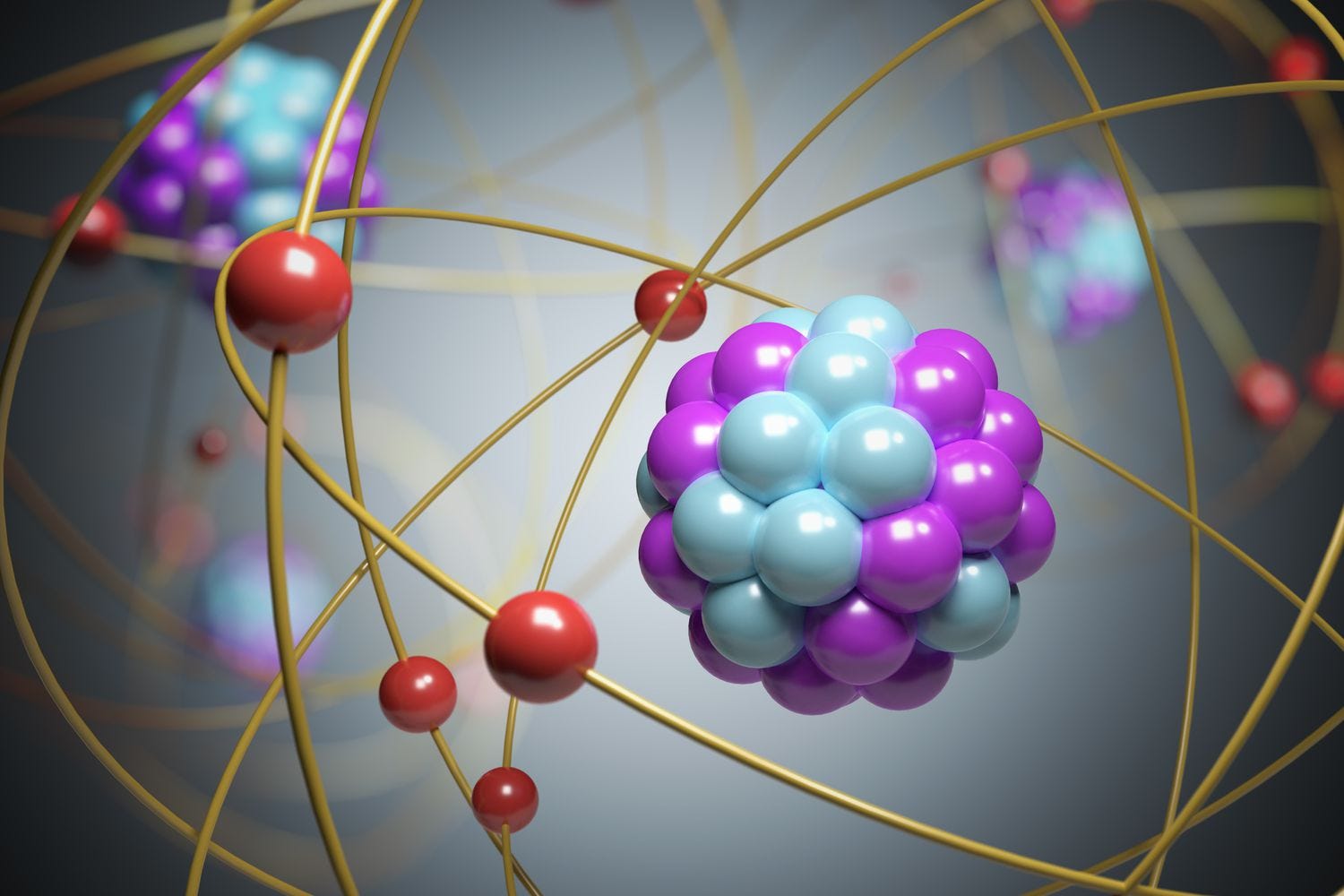
The discovery of the atom’s structure ranks among humanity’s greatest intellectual achievements. It revealed the mechanisms underlying matter itself and unlocked forms of power previously unimaginable. Within a few decades, civilisation possessed the means to destroy itself. Weapons vastly more powerful than those used against Japan became permanent features of international relations. A destructive capability that would have astonished every previous generation became part of the background of ordinary life. At the same time, the search for the fundamental nature of matter became a quest of endless regression. Each answer revealed a deeper question. The achievement transformed our understanding of reality while leaving its meaning largely untouched.
God
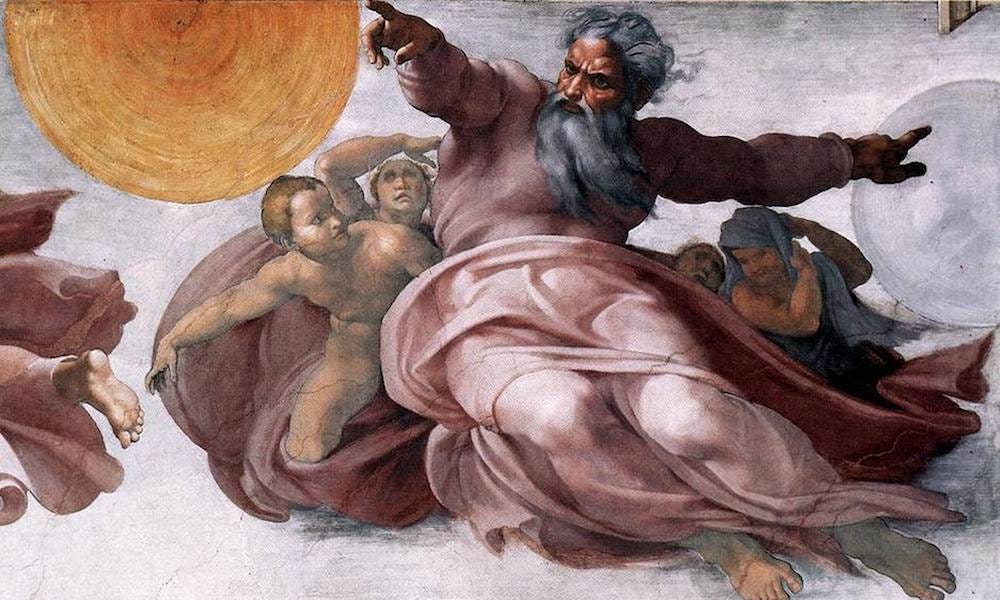
The discovery of God may have been humanity’s most consequential intellectual turn. Whether discovered or invented, the concept offered an explanation for existence itself. Yet a difficulty follows. If God is perfect, then nothing can be added to or removed from Him. A perfect state admits no change, no development and no possibility of becoming otherwise. Such a condition approaches complete inertness: a state of zero entropy. Indistinguishable from perfect nothingness.
However, we acknowledge the existence and efficacy of the mind despite possessing no satisfactory account of what it is, where it resides or how subjective experience arises from physical processes. The mind remains undeniably ‘in existentia’ even while eluding explanation. Replace, though, the word, mind, with God, and the argument remains the same. Humanity’s wrong turn may not have been in discovering God, but in assuming that the discovery resolved anything.