Catchy Tunes

Music: however simple and rustic; however sophisticated; whether a homemade bass on a tea-chest or a 120 piece symphony orchestra, it’s as much a part of being human as breathing.
No further words are needed from me. Except for a few unusual uses to which a tune has been put. Take the following examples:-
Steal Away — The Underground Railroad, USA. ca.1849–1861
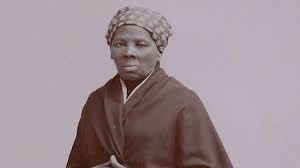
The songs existed. “Steal Away” is a spiritual: a slow, mournful, deeply beautiful song, sung in unison, that would have been entirely familiar to anyone in the antebellum South. This and others, to those who knew, were signals. Harriet Tubman used them to inform that the Railroad was passing through, that tonight was the night, that freedom had come. The genius was that the code required no paper and no courier. It hid inside faith, which no one thought to search. She made thirteen missions and claimed she never lost a passenger.
Chanson d’Automne — France, June 1944
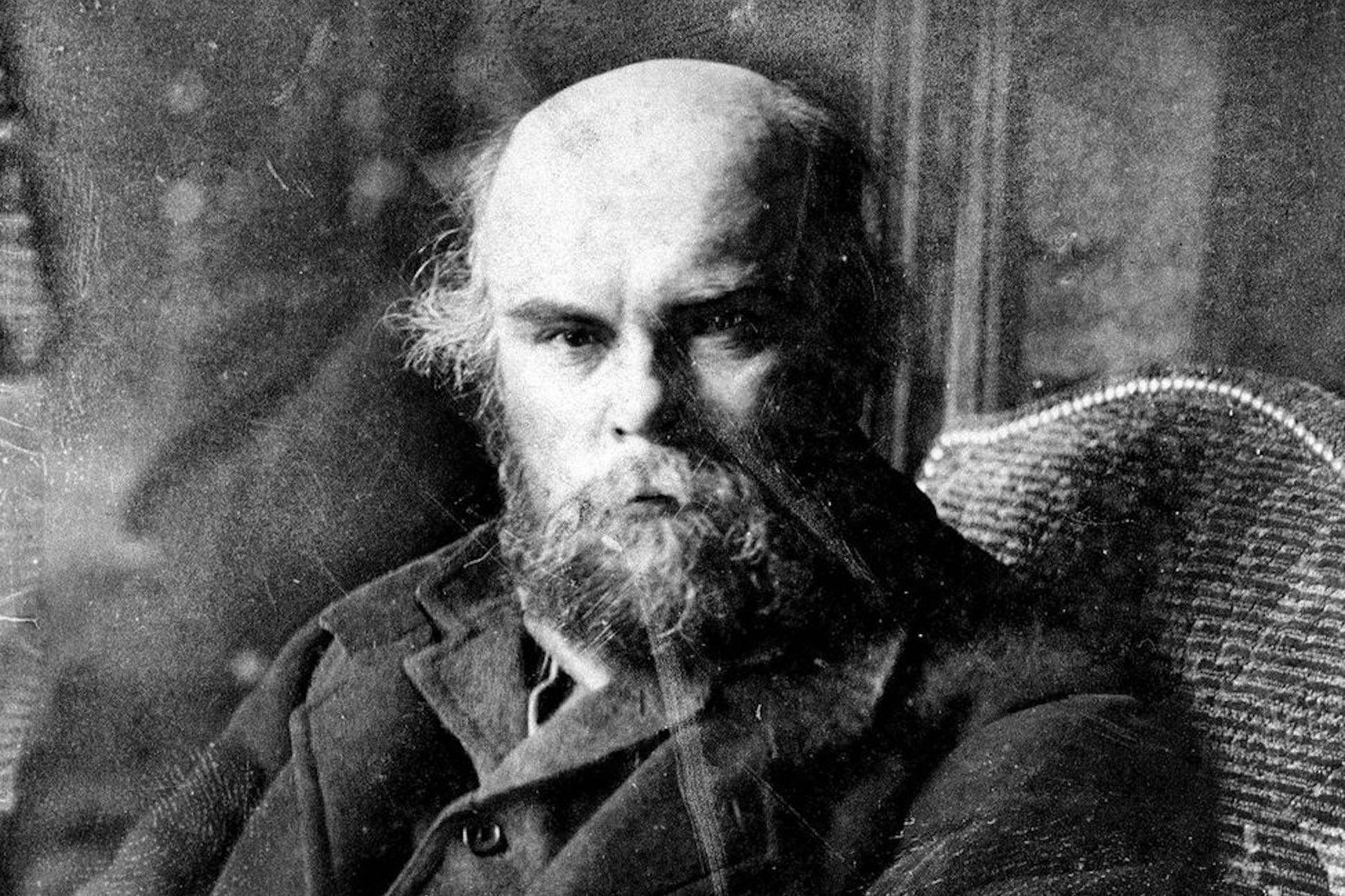
Paul Verlaine wrote it in 1866 as a poem about autumn and the melancholy it brought. On the night of 1st June 1944, the BBC broadcast its opening lines to occupied France, and a network of exhausted, frightened people understood immediately: the invasion was coming. On the 5th June, the second stanza went out. It meant tonight. Across farmhouses and cellars, weapons were retrieved from floorboards, bridges were marked for demolition, and people who had waited four years began to move. The Germans knew about the coded broadcasts. They couldn’t decode them fast enough.
Grândola, Vila Morena : Portugal, 25th April 1974
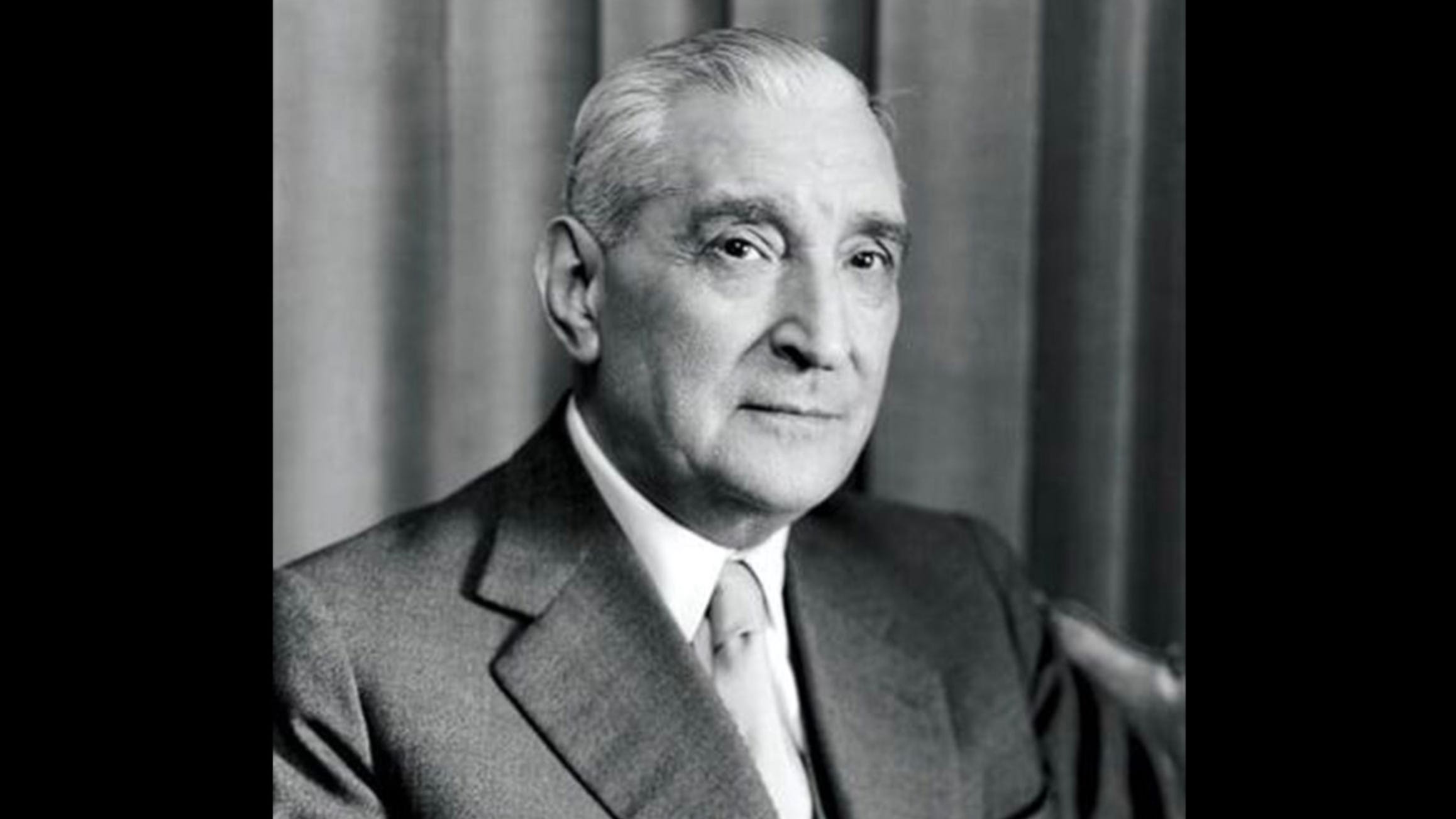
Salazar’s authoritarian regime had banned the song. Written by Zeca Afonso and beloved of the Portuguese precisely because it spoke of brotherhood and equality. So when Rádio Renascença broadcast it at 12:25 in the morning of 25th April, 1974, the officers of the Armed Forces Movement knew exactly what it meant. By dawn they had occupied Lisbon. By afternoon the dictatorship of nearly fifty years had fallen. The population came out into the streets and placed red carnations in the soldiers’ gun barrels. Almost no one died. The song is still sung every year on April 25th. In 2013, when austerity bit hard, protesters in the public gallery of Parliament sang it at the Prime Minister.
BBC Music for the Polish Resistance : 1940–1944
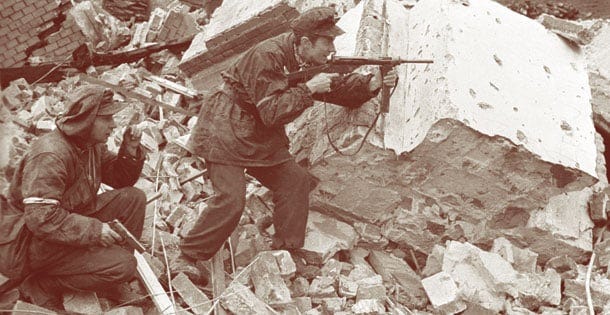
After the Polish news bulletin, the BBC would play a piece of music. A specific piece. The choice had been communicated in advance, through channels the Nazis couldn’t follow, to resistance fighters who were listening in occupied Warsaw and Kraków and across the country. The right record meant one thing. The wrong record - and there was apparently a producer who once had played the wrong record - meant the wrong bridge got blown up in Poland. That detail, which surfaced decades after in declassified BBC archives. Culture as a precision instrument of war. The men and women waiting in the dark in Poland knew the music, and what it meant, and what they had to do.
Mejores Días (Better Days) : Colombia, 2010
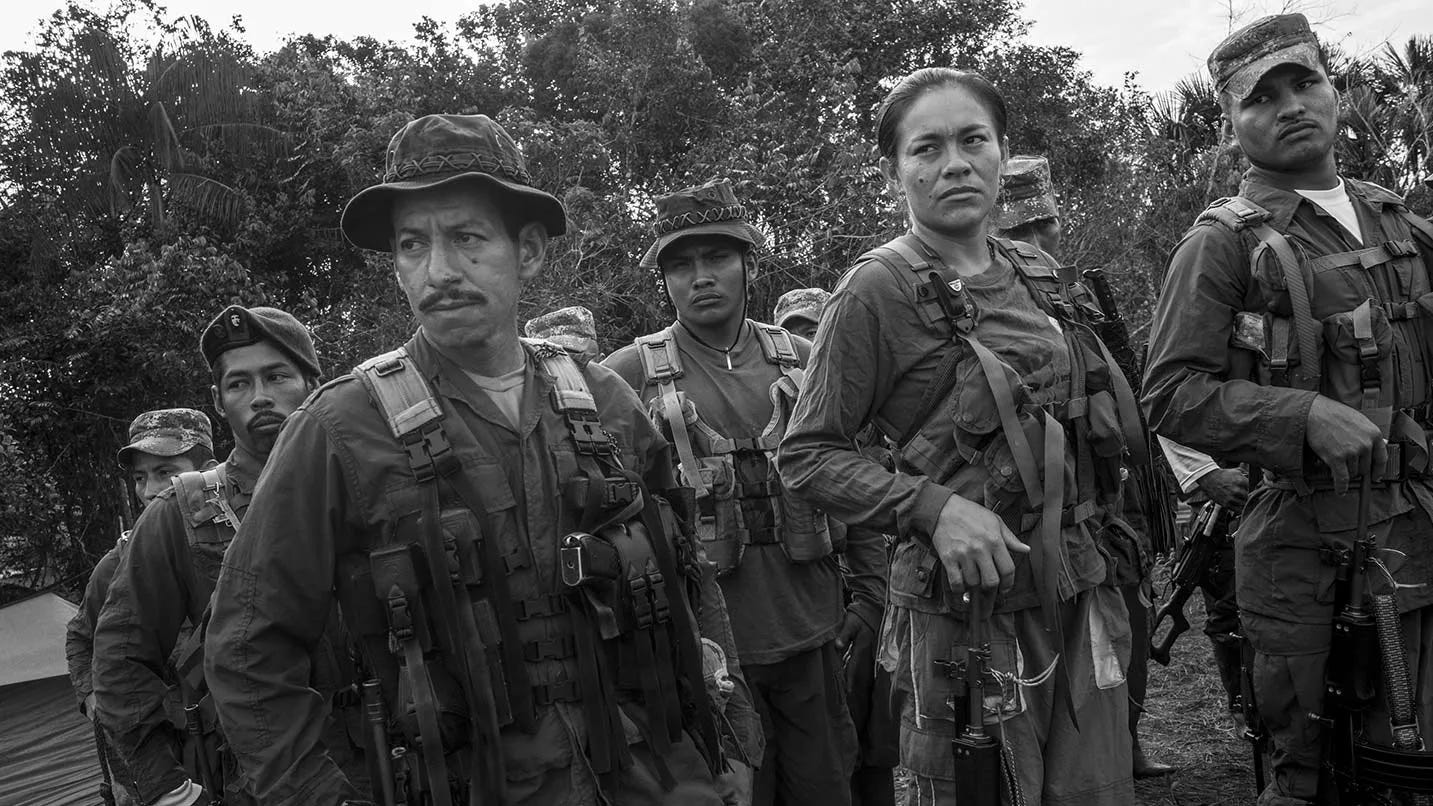
The FARC liked this song. It had a good beat and it was on everywhere - over 130 rural radio stations, heard by millions of people. What they couldn’t hear, because they hadn’t been trained to hear, was the Morse code hidden in the keyboard melody after the chorus. 19 liberados. Siguen ustedes. Ánimo. Nineteen rescued. You’re next. Don’t lose hope. Colonel José Espejo ofthe government forces had needed to get a message to his soldiers held hostage deep in the jungle by the left wing marxist FARC. An advertising executive wrote the song and and the colonel had his coded message. The hostages heard it and they understood it.